
How to Lay Paving Slabs Like a Professional
The Complete Guide to Patio Paving and Laying Slabs
A garden patio adds charm, enhances outdoor living, and increases the value of your home. Laying paving slabs transforms a blank space into a comfortable area for relaxation, dining, or entertaining. As the owner of Cambridge Garden Care, I have guided many customers through successful patio installations. This guide shares practical tips to help you lay a patio that lasts—and takes pride of place in your outdoor space.
What Are the Benefits of Having a Patio?
A patio gives you a usable hard surface in your garden, ideal for outdoor furniture, barbecues, or children’s play. It reduces mud and wear on lawn areas while creating a clean, practical extension of your home. A well-laid patio also improves drainage, minimises maintenance, and boosts your garden’s appeal in all seasons. With the right design and materials, a new patio can become the focal point of your outdoor space.
What Type of Slab and Paving Slabs Should You Choose?
Your choice of paving slab affects both aesthetics and durability, as well as cost. Natural stone slabs, such as sandstone or limestone, bring texture and natural colour variation, while concrete slabs offer a more uniform, affordable finish. Porcelain paving slabs are modern, durable, and resistant to stains. When picking, consider slip resistance and thickness. I often recommend slabs of at least 50 mm thickness for garden patios that will see regular use. Select paving slabs that complement your style and blend seamlessly with your outdoor surroundings.
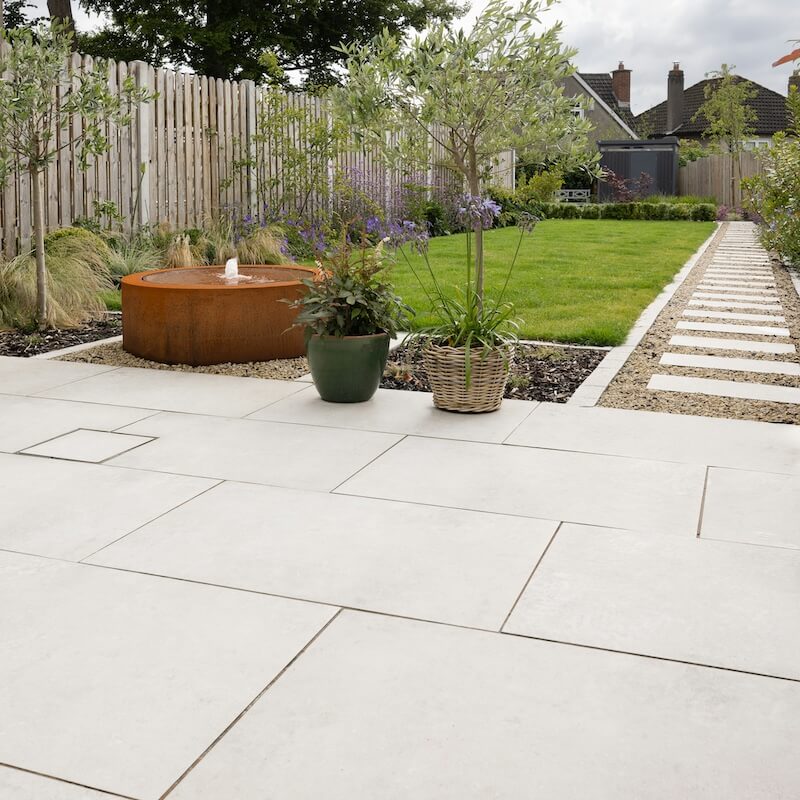
How Do You Prepare the Area Before You Lay a Patio?
Proper preparation ensures a durable, level patio. First, mark out the area using a string, posts, and a spray line. Remove existing turf, soil, or debris to a depth of about 150 mm (6 inches). Excavate until you reach firm ground. Next, install a sturdy sub-base of hardcore (Type 1) or MOT Type 1 in a layer of 100–150 mm. Compact this base thoroughly with a plate compactor. Ensure the surface is level or slopes gently (around 1:80) away from the house for drainage.
How Do You Lay the Patio Slabs?
Once your base is ready, you’re prepared to lay the patio slabs. Start at a straight edge—often a house wall or existing patio—and work outwards. Use a screed rail to create a mortar mix bed (a mixture of sand and one part cement) over the base. Lift each slab gently, place it into its position, and tap down with a rubber mallet. Use a spirit level to ensure each slab is level in all directions—Stagger joints between rows to achieve a more natural, stable look. Continue laying slabs and repeating level checks as you progress.
How Should You Mix Mortar and Jointing for Slabs?
A good joint between slabs prevents water ingress and displacement. Use clean, sharp sand to mix with one part cement to create your mortar. For jointing, use a dry mortar or polymeric sand to fill gaps. Sweep it into the joint and compact it in with a brush or pointing tool—mist lightly with water to settle. Avoid excess wet mortar on top of slabs. Keep the joints filled to secure the slabs in place and prevent them from shifting underfoot.
Why Is Compaction and Levelling Important?
Compact and stable layers stop your patio from moving or sinking over time. After laying each slab, press down with a plate compactor or kneel on a board to spread your weight. If the slabs rock, adjust them by lifting and adding or removing mortar or screed. Use a spirit level to check across groups of slabs. A consistent level across the patio area ensures that surface water drains well, preventing uneven slabs.
How Do You Ensure Good Drainage Around the Patio?
Drainage is crucial for protecting your patio and nearby structures. Always slope your slab surface gently away from buildings—roughly 1:80 or 1–1.5 cm fall per metre. Incorporate drainage channels or slots if the patio connects to flat areas. Use permeable joints or gravel inserts in larger gaps to prevent water from accumulating. If you lay slabs over clay soil or poorly drained ground, consider installing extra drainage beneath your sub-base. Proper drainage extends the life of your patio and prevents water pooling.
When Is the Best Time to Lay a Patio?
You can lay a patio in many seasons, but avoid extreme cold or heat. Spring, late summer and early autumn offer reliable conditions. Ideal temperatures range from 5°C to 25°C (41°F to 77°F). Rainy or frosty days can interfere with mortar setting, so aim for at least a dry day. If the weather threatens, cover your work with plastic sheeting or tarpaulin. At Cambridge Garden Care, we schedule patio installations during optimal dry windows to ensure a strong set and long life.
How to Tackle an Existing Patio or Upgrade It?
If you already have an old patio, you may want to repair or upgrade it instead of starting from scratch. Remove cracked or sunken slabs, tidy the base, and re-lay new paving slabs in those areas. You can also overlay if the base is solid—but ensure the existing slabs aren’t damp or cracked. Use a thin mortar bed and maintain alignment with the rest of the structure. You may need to shift the drainage or expand the patio. This option reduces excavation and cost while giving your garden a fresh look.
What Are Common Mistakes to Avoid When Laying a Patio?
One standard error is skipping proper sub-base work. A shallow or poorly compacted base leads to slab movement. Another is failing to check the level frequently, which produces uneven surfaces or trip hazards. Also, avoid mixing mortar that is too wet; it reduces its strength. Not allowing for drainage or slope toward water escape routes is another frequent fault. And never lay slabs on frost or soaking ground. By avoiding these mistakes, your patio will look better and last far longer.
How Much Does Patio Installation Cost?
The cost to lay a patio depends on slab choice, area size, access, and complexity. Natural stone tends to cost more than concrete slabs. Additional expenses include sub-base materials, mortar, labour, and removal of existing surfaces. For small patios, you might manage a lower budget, while extensive areas or intricate patterns raise costs. At Cambridge Garden Care, we offer upfront, clear quotes, tailored to your design and material preferences.
Why Hire Professional Patio Laying Services?
Hiring professionals ensures precision, strength, and a smooth finish. A professional team will prepare your base, level the slabs, and complete the joints correctly. Mistakes like uneven slabs, poor drainage or shifting subsurface won’t plague your patio later. With Cambridge Garden Care, you benefit from our experience, high standards, and meticulous attention to detail throughout the entire process. Let experts handle the heavy lifting so you can enjoy your new patio stress-free.
Key Points to Remember
- Select slabs that suit your style, usage, and climate
- Prepare the area by excavating and installing a firm sub-base
- Use a proper mortar mix and stagger slab joints
- Maintain a level across the patio and compact each slab firmly
- Ensure proper drainage by sloping the ground away from the house
- Fill joints solidly and avoid excess mortar on the surface
- Avoid laying during extreme conditions, such as frost or heavy rain
- Upgrade existing patios only when the base remains solid and stable
- Request clear quotes and professional service when needed
- A well-laid patio becomes a lasting, practical addition to your garden
A beautifully laid patio adds value and enjoyment to your home, creating a practical and inviting space for relaxation and entertaining. Whether you want a small balcony or a large garden patio, Cambridge Garden Care provides everything from design advice to complete patio installation. We combine skill, precision, and care to ensure that your new patio not only looks beautiful but also lasts for years to come. Let us help you transform your outdoor space into something you’ll love all year round.
Frequently Asked Questions
Q: How long does it take to lay a patio?
A: The time it takes to lay a patio depends on the size of the patio area, the type of paving slab, and ground conditions. On average, a small patio can be completed in two to three days, including preparation, sub-base compaction, and mortar work. A larger or more complex patio paving project may take a week or more. At Cambridge Garden Care, we carefully plan every patio installation, from start to finish, ensuring each slab is set securely and appropriately aligned for a professional, long-lasting finish.
Q: What is the best base for a patio?
A: A strong and stable sub-base is essential for any long-lasting patio. We typically use a Type 1 or MOT Type 1 hardcore base, compacted to a depth of around 100–150mm. This is followed by a layer of sharp sand and cement, which forms a solid bedding layer for the slabs. The base layer must be even and well compacted using a plate compactor to prevent future sinking or movement. Getting the foundation right ensures that the rest of the patio remains level, sturdy, and adequately drained for years to come.
Q: What type of paving slab should I choose?
A: Your choice depends on the look you want and how you plan to use the space. Natural stone paving, such as sandstone paving or limestone, gives a timeless, high-end appearance. Concrete slabs offer a durable, budget-friendly alternative, while porcelain paving slabs provide a modern, low-maintenance finish. Each type of paving has its advantages—natural stone provides texture and warmth, while porcelain gives a sleek, contemporary look. At Cambridge Garden Care, we help you choose the right slabs for your outdoor space and lifestyle.
Q: How do you ensure the patio is level and well-drained?
A: We always use a spirit level to check each slab as we lay it. The patio should have a slight slope away from the house, around 1–1.5cm per metre, to encourage proper drainage. Without this, water can pool on the surface, causing damage from moss and frost. Every patio installation we complete includes levelling and slope checks to ensure your finished patio looks professional and performs excellently in all weather.
Q: How thick should my slabs and base be?
A: Most garden patios require a sub-base depth of around 100mm to 150mm, depending on soil type and use. For areas with heavier traffic, such as driveways, the base should be approximately 6 inches (150mm). The paving slabs themselves should be between 40mm and 50mm thick. This combination ensures a strong and stable surface. The layers of soil beneath should also be compact and free from loose debris before you start laying paving slabs.
Q: What type of mortar mix should I use?
A: For most patios, a mortar mix of four parts sharp sand to one part cement works best. Mix it until it forms a firm, workable texture. For added strength, you can use a cement mixer to blend the sand and cement evenly. Spread the mortar under each slab with a trowel, ensuring a complete bed contact with no gaps. A good mortar bond prevents rocking slabs and improves the patio’s durability over time.
Q: How do you fill the joints between slabs?
A: Once the slabs are laid and the mortar has set, we fill the gaps between the slabs with either a dry mortar mix or polymeric jointing compound. Using a pointing trowel, we press the material into each joint and lightly mist it with water to set. This step seals the surface, prevents weed growth, and helps the patio resist water damage. At Cambridge Garden Care, we always ensure your joints are neat and strong for a clean, finished look.
Q: Can I lay a patio myself, or should I hire a professional?
A: You can lay a patio yourself with the right tools, materials, and patience, but professional help ensures a lasting, well-finished result. Laying paving slabs requires careful preparation, accurate levelling, and consistent mortar application. A slight mistake can lead to uneven surfaces, poor drainage, or slab movement. At Cambridge Garden Care, our experienced team handles every stage—from marking out the area to laying the final slab—so you get a patio built to last.
Q: How do I maintain my patio once it’s laid?
A: Regular cleaning and occasional weed control will keep your patio looking fresh. Sweep the surface to remove dirt and debris, and use a mild cleaning solution or pressure washer to remove algae or grime. Once or twice a year, check the joints and refill if necessary. You can also apply a sealant to protect natural stone from staining. A well-maintained patio will continue to enhance your garden paving for years to come.
Q: Where can I buy paving slabs and materials?
A: Paving slabs and materials like sharp sand, cement, and hardcore are widely available at local garden centres and online retailers. Select high-quality products that are well-suited to your type of paving and intended usage. At Cambridge Garden Care, we’re happy to recommend trusted suppliers and even source materials for your patio installation, ensuring you achieve durable, long-lasting results.