
How to Create a Wildlife Friendly Garden in Cambridge
Make Your Garden a Home for Wildlife
A garden filled with life brings colour, movement, and purpose to every outdoor space. In a Cambridge garden, even small changes can attract birds, bees, and other wildlife that support a healthy ecosystem. As seasons shift, your garden can become a safe refuge where nature thrives alongside your planting choices. By shaping your space with care and intention, you create balance, boost biodiversity, and enjoy a more rewarding outdoor environment every day.
What Makes a Garden Truly Wildlife-Friendly?
A wildlife-friendly garden supports a wide range of species by offering food, shelter, and water. These three elements form the foundation of a healthy habitat. When you focus on these needs, you encourage wildlife to settle and thrive.
Planting plays a central role in this process. Choose a variety of plants that flower at different times to provide nectar for bees and butterflies. This ensures a steady food source across the seasons.
You also need to allow some areas to remain slightly wilder. A neat garden can still support wildlife, but a few natural patches create space for insects and small creatures to live.
How Can You Turn a Cambridge Garden into a Wildlife Haven?
To turn your Cambridge garden into a wildlife haven, start by observing how your space works. Notice sunlight, shade, and damp areas. These natural features guide your garden design.
You can then introduce simple features like a bird feeder or a small pond. These additions attract a wide range of wildlife to your garden. Even a shallow water feature can support frogs and toads.
Small steps make a big difference. By focusing on natural processes, you create a garden into a wildlife space that feels balanced and alive.
What Are the Best Ways to Create a Wildlife Garden?
There are many simple ways to create a thriving wildlife garden without major changes. Start by adding layers to your planting. Combine trees, shrubs, and ground cover to support different species.
A wildflower meadow, or even a mini one, brings colour and attracts pollinators. Wildflowers provide nectar for bees and butterflies and support insect life.
Avoid removing every weed. Some weeds support wildlife and help maintain a natural ecosystem. A balanced approach encourages more life in your garden.
Can a New-Build Garden Support Wildlife?
A new-build garden often starts as a blank space with little natural structure. This makes it the perfect opportunity to create a wildlife-friendly layout from the start.
Begin by improving the soil and adding organic matter. Healthy soil supports earthworms and other organisms that form the base of the ecosystem.
Add planting that includes native species and flowering plants. Over time, your new-build garden will develop into a rich habitat that supports wildlife at home.
How Do Birds Benefit from a Wildlife Garden?
Birds bring life and movement into your garden while helping control pests. A simple bird feeder or bird bath can attract a wide range of species.
Providing shelter through hedges or shrubs gives birds a safe place to rest and nest. This also protects them during colder weather.
Birds act as natural predators, helping manage insect populations. This creates a balanced environment that benefits your entire garden.
Should You Include Water Features Like a Pond?
Water plays a key role in any wildlife garden. A pond supports frogs, dragonflies, and many other species. Even a small feature can make a big difference.
Water sources such as bird baths or fountains provide drinking spots for wildlife. These features attract birds, bees, and other insects.
Keep water clean and accessible. A shallow edge allows animals to drink safely and encourages regular visits from wildlife.
How Can You Use Planting to Support Wildlife?
Planting choices shape the success of your garden. Focus on a mix of flowers, shrubs, and trees that provide food and shelter.
Choose plants that produce nectar and pollen. These attract bees, butterflies and moths, and hoverflies. A thyme patch can also support pollinators.
Naturalistic planting and soft planting styles create a relaxed look while supporting wildlife. This approach blends beauty with function.
What Role Do Woodpiles and Shelter Areas Play?
A woodpile creates shelter for many small creatures. Beetles, spiders, and amphibians use these areas to hide and nest. This simple feature supports a wide range of wildlife.
You can place a pile of logs in a quiet corner of your garden. Over time, it becomes a valuable habitat for insects and other species.
Shelter areas protect wildlife during the winter months. These spaces help animals survive and return in spring.
How Can You Make Your Garden Wilder Without Losing Control?
A slightly wilder garden still looks attractive and well-cared-for. You do not need to let everything grow unchecked. Instead, choose specific areas to relax your approach.
Allow grass to grow longer in certain patches. This creates habitat for insects and supports biodiversity. You can still keep paths and main areas neat.
This balance allows you to prioritise wildlife while maintaining a structured garden design. It brings a natural feel without losing control.
Why Does Wildlife Gardening Matter in Urban Areas?
Urban areas often lack green spaces, which makes gardens even more important. Your garden can act as a corridor linking wildlife between larger habitats.
This connection supports biodiversity and helps species move safely through built environments. It also reduces the impact of climate change on local wildlife.
By creating a wildlife-friendly garden, you contribute to a larger network of nature. Even a small space can play a vital role in supporting life.
Key Points to Remember
- Provide food, water, and shelter to support wildlife
- Use planting to attract bees, butterflies, and birds
- Add features like ponds, bird feeders, and woodpiles
- Allow some areas of your garden to grow wilder
- Choose native species for better results
- Support biodiversity with varied planting and habitats
- Create shelter for wildlife during the winter months
- Use natural methods to maintain balance
- Connect your garden to wider green spaces
- Small changes can make a big difference
Creating a wildlife-friendly garden is one of the most rewarding ways to enhance your outdoor space. With the right planting, simple features, and a thoughtful approach, you can support wildlife while enjoying a more natural and balanced garden. Small changes really do make a big difference, helping you build a thriving space full of life, colour, and movement.
Frequently Asked Questions
Q: What makes a garden wildlife-friendly in Cambridge?
A: A wildlife-friendly garden in Cambridge supports a wide range of wildlife by meeting essential wildlife needs. Focus on food, water, and shelter to create a balanced habitat. Use thoughtful planting with native species and nectar-rich flowers to attract bees and butterflies. Add features such as a birdbath or a pond to provide water sources. Even a small space can support wildlife when designed well. A Cambridge garden can become a home for wildlife by combining structure with natural areas. This approach improves biodiversity and creates a healthy ecosystem that thrives throughout the seasons.
Q: How can I make your garden a home for wildlife?
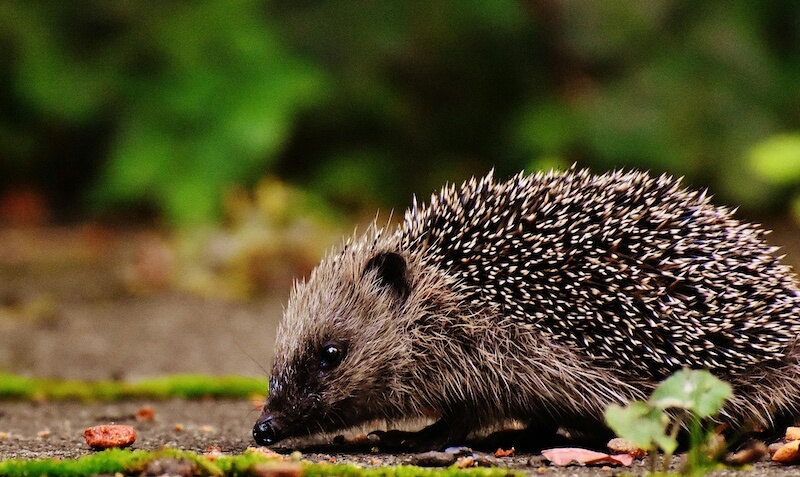
A: To make your garden a home for wildlife, start with simple, practical steps. Add layers of planting, including shrubs, flowers, and ground cover. This creates shelter and feeding opportunities for birds, insects, and small animals. Introduce a bird feeder or leave a quiet corner for a hedgehog to nest—a wildlife garden benefits from variety and balance. Make your garden more inviting by leaving some areas slightly wilder. These changes attract wildlife to your garden and support a thriving, natural environment close to home.
Q: What are the best ways to create a wildlife garden?
A: The best ways to create a wildlife garden focus on diversity and structure. Use a mix of wildflowers, shrubs, and trees to provide year-round interest. A wildflower meadow or mini wildflower meadow offers nectar for bees and butterflies. Avoid removing every weed, as some support beneficial insects. Include a woodpile or a small pile of logs to create shelter for beetles and other species. These simple features help garden wildlife settle and grow. Over time, your space becomes a rich habitat that supports a wide range of organisms.
Q: Can a new-build garden support wildlife effectively?
A: A new-build garden often starts with limited structure, but it offers a great chance to design a wildlife-friendly space from scratch. Improve soil quality to encourage earthworms and other organisms. Add planting with native species to attract local wildlife. Include a pond or water sources to support frogs and other amphibians. Even a small bed can provide valuable habitat. With careful garden design, you can turn a new-build garden into a wildlife space that supports biodiversity and creates a natural balance over time.
Q: How do birds benefit from a wildlife garden?
A: Birds play an important role in any wildlife garden. They help control insect populations and support the overall ecosystem. A bird feeder or bird bath attracts a variety of species and encourages regular visits. Planting hedges or shrubs provides shelter and nesting areas. During the winter months, birds rely on gardens for food and protection. By creating a safe space, you support wildlife and enjoy more activity in your garden. Birds also help connect your garden to wider green spaces in the local area.
Q: Should I include a pond or water feature in my garden?
A: Adding a pond or water feature can make a big difference in your garden. Water sources attract a wide range of wildlife, including frogs, dragonflies, and birds. Even a small fountain or shallow pond supports an active ecosystem. Ensure easy access so wildlife can drink safely. A bird bath also provides a simple solution if space is limited. Water encourages biodiversity and helps your garden thrive. It creates a natural focal point while supporting wildlife at home in a balanced and sustainable way.
Q: What planting choices best support wildlife?
A: Planting plays a key role in supporting wildlife in your garden. Choose a variety of plants that flower at different times to provide nectar throughout the year. Include wildflowers, herbs such as thyme, and shrubs that provide food and shelter. Naturalistic planting and soft planting styles work well in a wildlife-friendly space. These approaches create a relaxed look while supporting bees, butterflies and moths, and hoverflies. Strong planting choices help your garden thrive and provide a reliable habitat for wildlife.
Q: How can I make my garden wilder without losing structure?
A: You can make your garden wilder by allowing certain areas to grow more naturally. Leave a patch of grass longer or create a small wildflower meadow. This supports insects, spiders, and other wildlife. Keep main paths and key areas neat to maintain structure. This balance creates an attractive space that still supports biodiversity. A slightly wilder approach allows your garden to feel more natural while remaining practical. It also helps create a refuge for wildlife in your garden spaces.
Q: What role do woodpiles and shelter areas play?
A: A woodpile provides valuable shelter for many types of wildlife. Beetles, spiders, and other invertebrates use these areas to hide and nest. Over time, a woodpile becomes an important habitat within your garden. Place it in a quiet corner where it can remain undisturbed. This simple addition supports the wider ecosystem and encourages natural processes. Shelter areas also help wildlife survive during colder months. Creating these spaces ensures your garden continues to support life year-round.
Q: Where can wildlife-friendly garden products and plants be purchased?
A: Wildlife-friendly plants and garden features are easy to find across the UK. Most garden centres offer a wide variety of plants, bird feeders, and habitat features. You can also purchase items online, giving you access to a broader selection. Look for native species and products designed to support wildlife. Whether you need a bird feeder, pond liner, or wildflower seeds, there are many options available. Choosing the right products helps you build a garden that supports wildlife and enhances your outdoor space.