
Cambridge Gardening Tips
Get the Best from Your Cambridge Garden
Gardening in Cambridge offers real rewards when you understand how local conditions shape your plants. This area has chalky soils, dry summers, and cool, damp winters. Each of these factors affects how your garden grows and performs across the year. With the right approach, you can work with these conditions rather than against them. That’s exactly what this section aims to help you do.
Here, you’ll find practical advice based on real experience with Cambridge gardens. Every tip focuses on helping you grow stronger plants, healthier lawns, and more balanced outdoor spaces. Whether you manage a small courtyard or a larger family garden, the same core principles apply. Good timing, smart plant choices, and regular care all make a clear difference.
Understanding Cambridge Soil and Conditions
Cambridge soil often contains chalk, which drains quickly and holds fewer nutrients than heavier soils. Plants can struggle if you don’t improve the ground before planting. You can boost soil health by adding organic matter like compost or well-rotted manure. This simple step helps retain moisture and supports steady growth.
Dry conditions can appear quickly, especially from late spring through summer. Temperatures often reach 20–28°C (68–82°F), and rainfall can stay low for weeks. You need to water wisely during these periods. Early morning watering works best, as it reduces evaporation and supports strong root development.
Winter brings a different challenge. Temperatures can drop to 0–5°C (32–41°F), with occasional frosts. Some plants need protection during cold snaps, especially young or tender varieties. A layer of mulch can help insulate roots and keep soil conditions stable.

Choosing the Right Plants for Success
Plant choice plays a huge role in how your garden performs. When you choose plants suited to local conditions, you reduce maintenance and improve results. Drought-tolerant plants often perform well in Cambridge gardens due to the free-draining soil.
Look for plants that cope with dry summers and cooler winters. Mediterranean-style planting works well, alongside many perennials and shrubs that handle temperature swings. You can still enjoy colour and variety by mixing reliable performers with seasonal highlights.
Always check light levels before planting. Some areas may receive full sun for most of the day, while others stay shaded. Matching plants to the right spot helps them establish quickly and grow with less effort.
Lawn Care the Cambridge Way
Lawns often struggle during dry spells if you don’t manage them correctly. Cutting grass too short weakens the roots and increases stress. Keep your mower blades set higher during warm weather to protect the lawn.
Regular feeding helps maintain colour and strength. A well-fed lawn resists weeds and recovers faster after wear. You can also overseed thin areas to improve density and create a more even finish.
Watering plays a key role, but timing matters. Deep, occasional watering encourages roots to grow deeper into the soil. This approach creates a more resilient lawn that copes better during dry periods.
Seasonal Gardening Made Simple
Each season brings its own set of tasks, and staying on top of them keeps your garden in great shape. Spring focuses on preparation and new growth. This is the time to tidy beds, feed plants, and sow seeds.
Summer requires regular maintenance. You’ll need to water, deadhead flowers, and keep an eye on pests. Short, consistent sessions often work better than leaving everything to build up.
Autumn gives you a chance to prepare for colder weather. Clear fallen leaves, cut back perennials, and plant bulbs for next year. Winter then becomes a quieter period, ideal for planning and light maintenance.
Practical Tips You Can Use Straight Away
Small changes can make a big difference in your garden. Start by improving your soil, as healthy ground supports everything else. Choose plants that suit your conditions rather than fighting against them.
Keep a simple routine for mowing, pruning, and watering. Regular care prevents bigger problems later. Use mulch where possible to retain moisture and reduce weeds.
Most importantly, take time to observe your garden. Notice what grows well and what struggles. Over time, this knowledge helps you make better decisions and achieve stronger results.
Helping You Grow with Confidence
This Cambridge gardening tips section aims to give you clear, useful advice you can trust. Every garden grows differently, but the right guidance makes the process easier and more enjoyable. You don’t need to feel overwhelmed by changing seasons or tricky conditions.
With the right knowledge, your garden can stay healthy, colourful, and easy to manage throughout the year. Whether you tackle small improvements or bigger changes, each step moves you closer to a space you can enjoy every day.
Explore Our Cambridge Gardening Tips
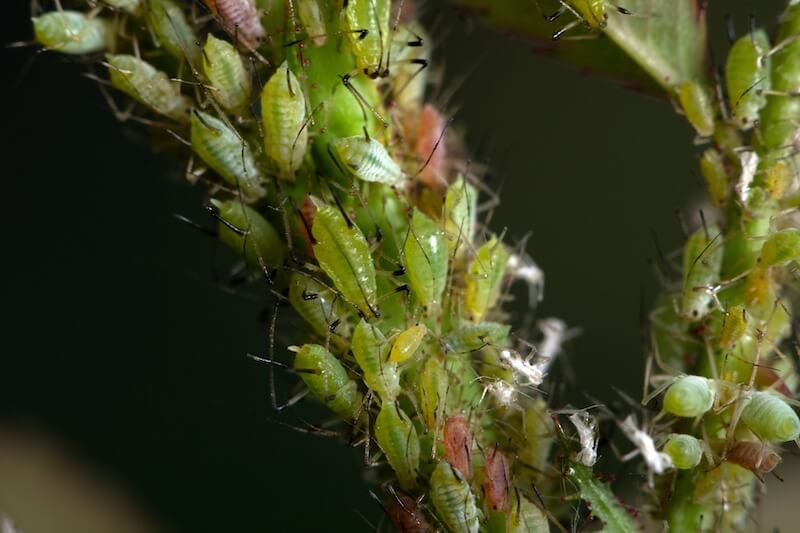
Cambridge Garden Pests in 2026
As 2026 unfolds, Cambridge gardens come alive with early growth, but so do pests and diseases. From ants waking after hibernation to mice seeking shelter in sheds and wall cavities, the garden faces a variety of challenges. By spotting the earliest signs of damage—curled leaves, sticky residue, or disturbed soil—and keeping a close eye on vulnerable plants like roses, fruit trees, and strawberries, gardeners can act quickly. Sustainable monitoring and simple pest control methods help reduce infestations naturally. With proactive care, your garden will stay vibrant, healthy, and resilient throughout the year.

How to Create a Wildlife Friendly Garden in Cambridge
Create a thriving, wildlife-friendly garden in Cambridge with simple, thoughtful changes that bring your outdoor space to life. By combining planting, water features, and natural shelter, you can attract birds, bees, and beneficial insects while supporting a healthy ecosystem. Even small additions like a bird feeder, wildflower patch, or quiet corner can make a real difference. With the right balance of structure and slightly wilder areas, your garden becomes a welcoming refuge for wildlife, full of movement, colour, and year-round interest.
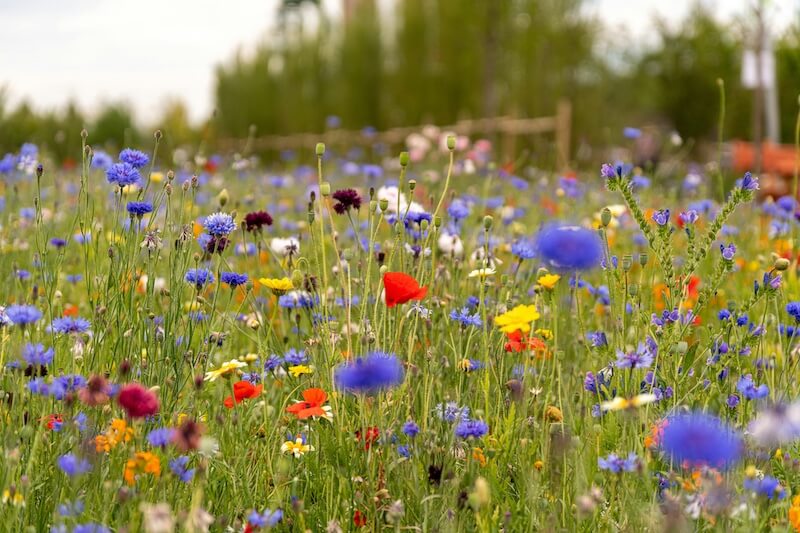
Best Native Plants for a Cambridge Garden
A thoughtful mix of native plant choices can completely transform a Cambridge garden into a thriving, natural space that delivers colour and structure year after year. Native wildflowers and perennial plants settle easily into local soil and climate, helping each flower bloom with minimal effort while supporting pollinator activity. By choosing plants that thrive in your conditions, you create a balanced setting that encourages bees and butterflies, improves biodiversity, and keeps your garden looking vibrant through every season. This simple, reliable approach allows your garden to grow stronger over time, with each plant contributing to a healthier, more resilient landscape.