
Cambridge Garden Pests in 2026 - What To Watch For
Cambridge Pest Awareness Tips for 2026
As March arrives in Cambridge, the garden begins to shift with fresh growth and longer days. Soil warms to around 8–15°C (46–59°F), and early shoots push through borders. This temperature change also brings pests and diseases back into focus. You may notice the earliest movement of insect life, along with subtle signs of disease on new plant growth. By staying alert and building strong habits around monitoring, you can protect your garden, reduce damage, and enjoy a healthier, more balanced outdoor space throughout 2026.
Cambridge Pest Awareness - What Should You Look for First?
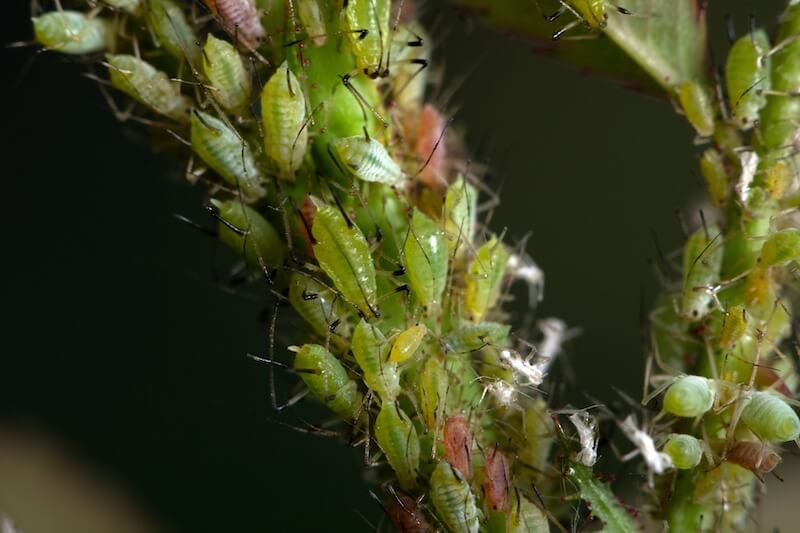
Early pest awareness helps you stay ahead of problems before they take hold. In Cambridge gardens, the first sign often appears on soft new plant growth. Leaves may curl, stems weaken, or surfaces feel sticky from aphid activity.
Take time each week to check your garden closely. Look beneath leaves, around stems, and near the soil line. Many pests hide during the day and only feed at night.
This simple routine builds strong monitoring habits. It allows you to act early and prevent a larger infestation from developing.
What Are the Key Signs of Pest and Disease in the Garden?
Spotting a clear sign of trouble can save your plants from long-term damage. Discoloured leaves, holes, or unusual growth patterns often point to a pest or disease problem.
Fungal and bacterial diseases can spread quickly during mild, damp conditions. Blight may appear on leaves, while other infections create dark or powdery patches.
Check your rose plants, borders, and any young plants regularly. Early detection gives you control and helps protect the wider garden.
Why Do Pests Thrive in Cambridge Gardens?
Cambridge gardens provide ideal conditions for many pest species. Free-draining soil, mild winters, and warm summers create a stable environment for growth.
Urban areas offer shelter, especially near homes or fence lines. Pests often hide in dense planting, compost heaps, or wall cavities.
Dry periods followed by rain can increase pest pressure. These conditions help pests thrive and spread quickly if left unmanaged.
How Do Ants Become Active in Early Spring?
As temperatures rise, ants wake from hibernation and begin searching for food. You may notice an ant trail forming along patios or garden paths.
Ants often farm aphids, which increases pest activity on plants like rose varieties. This relationship can lead to a swarm forming around affected areas.
To deter ants, disturb the nest early and remove food sources. This method helps reduce activity before colonies expand.
Are Rodents Like Mice a Problem in the Garden?
A mouse or other rodent can cause hidden damage in your garden and home. These pests remain active through winter and continue searching for food as spring begins.
They often build a nest in sheds, compost heaps, or sheltered corners. You may notice disturbed soil, chewed stems, or droppings as a clear sign.
Block entry points and remove shelter areas to deter them. This reduces the risk of a rodent infestation and protects your plants.
What Pest Control Methods Work Best Today?
Modern pest control focuses on balance rather than heavy intervention. A sustainable approach reduces chemical use and supports natural systems.
Encourage predator species such as birds and beneficial insects. A single bird can help control insect numbers quickly and naturally.
Simple methods like hand removal or barriers also work well. These steps form an effective solution for keeping pests under control.
How Can You Protect Plants from Disease?
Healthy plants resist disease more effectively, so strong care routines matter. Feed your soil and maintain good airflow around each plant.
Avoid watering leaves, as this can spread fungal disease. Focus on the base to keep foliage dry and reduce risk.
Remove any infected material quickly. This helps prevent disease from spreading across your garden.
Which Plants Attract the Most Pests?
Some plants attract more pests than others, especially in early spring. Fruit trees, strawberry plants, and rose varieties often face attacks from aphids, mites, and other insects.
These pests target soft growth and can quickly weaken the plant. If left untreated, they may devastate crops and reduce flowering.
Encourage bees and predator insects to maintain balance. This natural approach supports healthier growth and better results.
How Do Pests Enter the Home and Kitchen?
Pests often move from the garden into the home in search of food and warmth. The kitchen provides an ideal space with easy access to crumbs and waste.
Cluster flies may emerge from wall cavities after winter. A mouse can enter through small gaps and quickly settle in.
Seal entry points and keep surfaces clean to deter pests. These steps protect your home and reduce indoor problems.
Why Is Monitoring So Important for Pest Management?
Monitoring forms the backbone of effective pest management. Regular checks allow you to spot the earliest changes and respond quickly.
By observing patterns, you learn when pests become active and how they behave. This knowledge helps you manage issues more effectively each year.
Consistent monitoring reduces the need for stronger treatments. It supports a healthier, more balanced garden over time.
What Is the Best Long-Term Pest Prevention Strategy?
Long-term prevention relies on good garden management and strong plant health. Healthy soil supports stronger plants that resist pests and diseases.
Rotate crops, improve soil structure, and avoid overcrowding. These steps reduce stress and lower the risk of infestation.
Integrate different methods for the best results. Combine monitoring, natural predators, and simple control techniques to create a resilient garden.
Key Points to Remember
- Start pest awareness early in spring to protect your garden
- Check plants regularly for any signs of pests or diseases
- Encourage natural predator species like birds and insects
- Deter ants and rodents by removing shelter and food sources
- Use sustainable pest control methods where possible
- Feed plants well to support strong, healthy growth
- Monitor fruit trees, roses, and strawberries closely
- Keep kitchens clean to avoid indoor pest problems
- Block entry points to stop pests from entering your home
- Maintain consistent monitoring for long-term success
Keeping pests and diseases under control in your Cambridge garden becomes much easier with the right approach. Simple steps like regular monitoring, strong plant care, and natural pest control methods can make a lasting difference. By taking action early and staying consistent, you create a healthier, more resilient garden that continues to thrive season after season.
Frequently Asked Questions
Q: What are the earliest signs of pests and diseases in a Cambridge garden?
A: The earliest sign of a pest or disease problem often appears on fresh plant growth in early spring. You may notice curled leaves, sticky residue, or small holes caused by insect feeding. In Cambridge gardens, these issues become more active as temperatures rise after winter. Fungal and bacterial diseases can show as spots or discolouration. Regular monitoring helps you catch problems early and reduce damage. Check your rose plants, borders, and young shoots often. Early action makes pest management far easier and prevents a small issue from turning into a serious infestation.
Q: Why do pests thrive in Cambridge gardens during 2026?
A: Cambridge offers ideal conditions for pests and diseases to thrive, especially in 2026 with mild seasonal shifts. Free-draining soil, warmer days, and sheltered urban spaces support pest activity. Many pests hide in wall cavities, dense planting, or near a home where shelter is easy to find. Periods of drought followed by rain can also increase pressure. These changing conditions help insects and rodents stay active for longer. Understanding this pattern allows you to manage problems early and protect each plant before damage spreads across your garden.
Q: How do ants affect plants, and how can you manage them?
A: Ants wake from hibernation as spring begins, and you may soon see an ant trail forming. While ants do not always harm plants directly, they protect aphid colonies, which increases pest damage. This can weaken plants, such as rose varieties, and reduce growth. A swarm may form if the nest expands. To manage ants, remove food sources and disturb the nest early. This simple method can deter activity without heavy effort. Keeping your garden clean and well-maintained reduces the chance of an ant problem developing further.
Q: Are mice and rodents a serious risk in the garden and home?
A: A mouse or other rodent can cause both visible and hidden damage in your garden and home. These pests often remain active through winter and seek shelter in sheds or compost areas. You may spot droppings, chewed stems, or disturbed soil as a clear sign. A rodent can build a nest quickly and may invade indoor areas, such as the kitchen. Block entry points and remove food sources to deter them. Early monitoring helps prevent a larger infestation and keeps your space safe and tidy.
Q: What is the best pest control method without heavy chemical use?
A: A sustainable pest control method focuses on balance rather than relying on the use of chemicals. Encourage predator species such as birds, frogs, and beneficial insects. A bird can reduce insect numbers quickly, while ladybirds help control aphid populations. This natural approach supports pest management without harming your garden. You can also use simple barriers or remove pests by hand. This effective solution keeps your plants healthy and reduces long-term problems. A balanced system allows your garden to thrive naturally.
Q: How can you protect plants from common garden diseases?
A: Strong plant care helps prevent disease from taking hold. Feed your soil well and allow space between plants to improve airflow. Damp conditions can encourage fungal issues like blight, especially in mild weather. Water at the base to avoid spreading disease across leaves. Remove any infected material quickly to limit damage. Healthy plants resist disease more effectively and recover faster. This approach supports better growth and keeps your garden looking clean and productive throughout the season.
Q: Which plants are most at risk from pests in early spring?
A: Some plants attract pests more easily, especially during early growth. Fruit trees, strawberry plants, and rose varieties often face attack from aphids, mites, and other insect species. These pests target soft shoots and can quickly weaken a plant. If left untreated, they may devastate growth and reduce flowering. Regular monitoring helps you spot early activity and take action. Encouraging bees and predator insects creates a natural balance, helping protect vulnerable plants in your garden.
Q: How do pests enter indoor areas like the kitchen?
A: Pests often move indoors when they search for food and warmth. The kitchen provides easy access to crumbs, waste, and water. A mouse can squeeze through small gaps, while insects may hide in wall cavities before emerging. Cluster flies often appear after winter as conditions become warmer. Sealing entry points and keeping surfaces clean will deter most pests. Good hygiene and regular checks protect your home and reduce the risk of an indoor infestation developing.
Q: How important is monitoring for pest management in 2026?
A: Monitoring plays a vital role in successful pest management in 2026. Regular checks help you spot the earliest signs of pest or disease activity. This allows you to act quickly and reduce damage before it spreads. By observing patterns, you learn when pests become active and how they behave. This knowledge helps you manage your garden more effectively each season. Consistent monitoring reduces the need for strong treatments and supports a healthier, more balanced growing space.
Q: Where can pest control products be purchased in the UK?
A: Pest control products are widely available across the UK and easy to source. You can find a good variety at local garden centres, where staff often provide helpful advice. Many products are also available online, offering convenience and choice. Whether you need natural deterrents, traps, or protective materials, you will find suitable options. Always choose solutions that support sustainable gardening and follow guidance carefully. This ensures safe and effective pest management for your garden and home.