
Best Native Plants for a Cambridge Garden
Native Plants That Thrive in Cambridge
A garden filled with native plant choices brings lasting colour, movement, and life through every season. Native wildflowers and perennial plants settle easily into local soil and climate, making them reliable and rewarding. Many native flowers return year after year, building a natural rhythm in your space. As each flower begins to bloom, you support pollinator activity and improve biodiversity across your garden. With the right mix, your UK garden becomes a vibrant, living landscape that thrives with minimal effort.
What Makes a Native Plant Ideal for Your Garden?
A native plant grows naturally under local conditions, making it well-suited to your soil and climate. These plants you can grow adapt easily and require less intervention. They thrive without constant care, making them a strong choice for a gardener who wants lasting results.
Many native plants support local wildlife by offering nectar and pollen. This attracts pollinator species like bees and butterflies, helping your garden stay active. A native plant also blends naturally into surrounding landscapes, creating a seamless and balanced look.
When you grow native plants, you build a stable ecosystem. This approach supports biodiversity and encourages long-term growth without relying on heavy inputs.
Why Choose Perennial Native Wildflowers for a UK Garden?
Perennial plants return year after year, making them a dependable addition to any UK garden. A perennial structure ensures your flower display continues without replanting each season. These flowering perennials also develop stronger root systems over time.
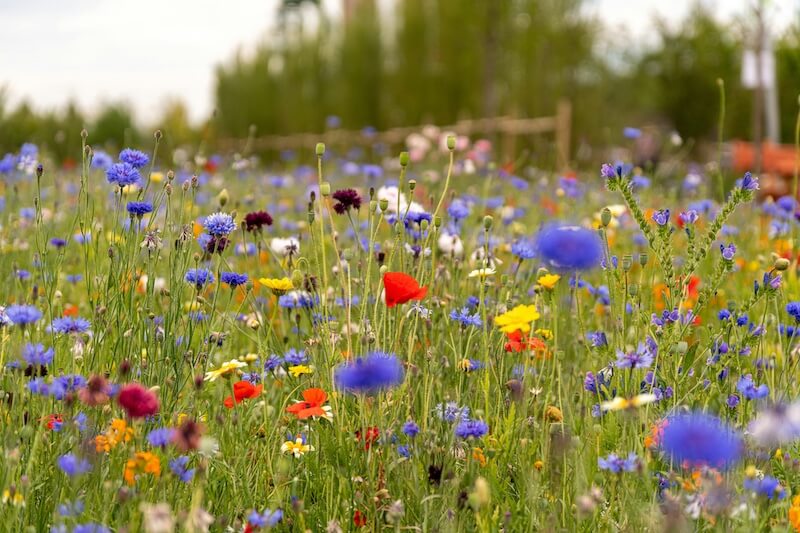
Native wildflowers offer a wide variety of shapes and colours. From delicate blue to bold yellow, each flower adds character. Their natural growth habits make them easy to grow and maintain.
These plants thrive in different garden settings, from borders to wildflower meadows. Their ability to grow well in changing conditions makes them a practical and attractive choice.
Which Native Wildflowers Thrive in Different Soil Types?
Soil type plays a key role in how each native plant performs. Some thrive in damp areas, while others prefer well-drained soil and full sun. Understanding your soil helps you choose the best native plants for success.
Many native species adapt to a wide range of conditions. For example, some woodland flowers thrive in damp, shaded soil, while meadow plants prefer open ground. This variety allows you to match each flower to the right location.
When you use native plants that thrive in your conditions, your garden becomes easier to manage. Strong roots and natural adaptation help each plant flourish.
How Do Native Plants Support Pollinators Like Bees and Butterflies?
Native plants provide essential food for pollinator species. Their flowers produce nectar and pollen, which attract bees and butterflies. These insects rely on native flowers for survival.
Attracting pollinators like bees helps your garden stay productive. Pollination improves flowering and supports fruit and seed development. This creates a healthier, more balanced environment.
Many native flowers also support caterpillar development. This adds another layer to your ecosystem, encouraging insects and birds to thrive together.
Can Native Plants Grow in Shade or Woodland Areas?
Many native plant varieties thrive in shade or partial shade. Woodland species adapt well to lower light levels and cooler soil conditions. These plants bring life to areas that often feel difficult to fill.
Plants such as lily of the valley produce bell-shaped, fragrant blooms in shaded spots. Their foliage and flowers create a soft, natural look. These native flowers suit woodland-style planting perfectly.
Even in full shade, some native plants grow successfully. By choosing the right perennial species, you can create interest in every corner of your garden.
What Are the Best Native Plants for Year-Round Colour?
A well-planned garden includes a range of native plants that flower at different times. Early blooms bring colour early in the year, while others shine in late summer. This staggered display keeps your garden lively.
Many native flowers offer seasonal highlights. Spring brings white flowers and fresh foliage, while summer introduces pink flowers and purple flowers. Each stage adds depth and variation.
Evergreen shrub choices provide structure through winter. These plants maintain interest even when flowers fade, ensuring your garden looks balanced year-round.
How Do You Create a Wildflower Meadow in Your Garden?
Wildflower meadows offer a natural way to introduce native wildflowers into your garden. Even a small patch can make a big difference. A mix of grasses and flowers creates a relaxed and colourful display.
Start with well-drained soil and remove strong weeds before planting. Choose a range of native flowers suited to your conditions. This ensures each plant has space to grow.
Wildflower meadows support pollinator activity and local wildlife. They attract insects and birds, creating a lively and balanced environment.
Which Native Shrubs and Trees Add Structure?
A shrub or small tree adds height and structure to your garden. Native trees and shrubs provide shelter and food for wildlife. They also anchor your planting scheme.
Many native shrubs produce berry crops that support insects and birds. These features add seasonal interest while improving biodiversity. Their foliage creates a strong visual backdrop.
Including a shrub or small tree in your landscape design helps balance open planting areas. This creates a layered and natural feel.
How Do You Grow Native Plants Successfully?
To grow native plants successfully, match each plant to its preferred conditions. Consider light, soil type, and moisture levels. This helps your plants thrive without extra effort.
Many native plants are hardy and easy to grow. They adapt well to changing weather and require less maintenance. This makes them ideal for long-term planting.
Using native plants reduces the need for intensive care. This approach creates a more sustainable and balanced garden environment.
What Are 20 Native Wildflowers to Grow in Your Garden?
Here is a range of native flowers you can include in your garden:
- Oxeye daisy with bright white flowers
- Red campion with soft pink flowers
- Meadow buttercup with yellow flowers
- Common knapweed with purple flowers
- Yarrow with flat, attractive flowers
- Cornflower with striking blue flowers
- Field scabious with delicate blooms
- Foxglove with tall flower spikes
- Primrose with early flowers
- Bluebell is suited to woodland planting
- Ragged robin with fine petals
- Selfheal with compact flowers
- Meadowsweet with creamy clusters
- Cowslip with nodding blooms
- Lady’s bedstraw with soft yellow tones
- Wild carrot with lace-like flowers
- Viper’s bugloss is rich in nectar
- Betony with bold flower heads
- Insects love bird’s-foot trefoil
- Lily of the valley with bell-shaped flowers
This list highlights the beauty and variety of native flowers. Each one contributes to a thriving, colourful garden.
Key Points to Remember
- Choose a native plant suited to your soil and light conditions
- Use perennial plants for reliable colour year after year
- Support pollinator activity with nectar-rich flowers
- Include shade-loving plants for woodland areas
- Mix shrubs, trees, and flowers for structure and balance
- Create wildflower meadows to boost biodiversity
- Use native species to support local wildlife
- Plan for blooms across all seasons
- Focus on easy-to-grow plants for long-term success
- Build a natural garden that thrives with minimal effort
Choosing native plants is one of the simplest ways to create a thriving and sustainable garden. With reliable growth, seasonal colour, and strong support for wildlife, these plants offer long-term value. By selecting a thoughtful mix of wildflowers, shrubs, and perennials, you can build a garden that feels natural, balanced, and full of life year after year.
Frequently Asked Questions
Q: What are the best native plants to grow in your garden year after year?
A: The best native plants offer reliable colour and structure year after year while supporting local wildlife. A strong mix of perennial plants and wildflowers creates a balanced display. Choose native flowers that thrive in your soil and light conditions. Many native species grow well in a range of garden settings, from full sun to shade. Look for plants with an award of garden merit from the Royal Horticultural Society for proven performance. A gardener can build a long-lasting display by selecting a range of native plants that bloom across the seasons.
Q: Why should a gardener choose native wildflowers for a UK garden?
A: Native wildflowers suit the UK garden perfectly because they grow naturally in local conditions. These plants thrive in familiar soil and climate, which makes them easy to grow. A native plant supports pollinator activity by providing nectar and pollen for bees and butterflies. This helps increase biodiversity and encourages a healthy garden ecosystem. Many native flowers also support insects and birds, creating a lively outdoor space. By using native plants, you build a garden that feels natural and continues to perform well with less effort.
Q: How do native plants support pollinators like bees and butterflies?
A: A native plant plays a key role in supporting pollinator species. Many native flowers produce rich nectar and pollen, which attract bees and butterflies throughout the growing season. These flowers often bloom in sequence, ensuring a steady food source. This continuous supply helps pollinators stay active and supports their lifecycle. Some plants also host caterpillar stages, which benefit local wildlife. By planting a mix of wildflowers and perennial plants, you create a thriving space that encourages pollination and boosts biodiversity in your garden.
Q: Can native plants grow well in shade or woodland areas?
A: Many native plants thrive in shade or woodland conditions, making them ideal for tricky spots. Woodland species adapt well to lower light levels and cooler soil. Plants like lily of the valley produce fragrant, bell-shaped flowers and grow happily in partial shade or full shade. These plants bring life and structure to shaded areas. Their foliage and flowers create a natural look that blends into woodland-style planting. By choosing native plants that suit shade, you can transform overlooked areas into attractive and productive parts of your garden.
Q: What soil conditions do native plants prefer?
A: Soil conditions vary, but many native plants adapt easily to different environments. Some thrive in damp soil, while others prefer well-drained soil and full sun. Understanding your soil helps you choose the right plants. A hardy plant suited to local conditions will establish quickly and grow well. Many native plants that thrive in your area need little adjustment once planted. Improving soil structure with organic matter can support stronger root growth. This simple step helps the flowers in your garden grow well and continue to bloom.
Q: Are native perennial plants easy to grow and maintain?
A: Native perennial plants are often easy to grow and require minimal maintenance once established. These flowering perennials return each year, reducing the need for replanting. Many native plants grow well with little input, making them a practical choice. Their natural resilience allows them to thrive in changing conditions. A gardener can focus on simple care routines, such as occasional feeding and light pruning. This approach keeps your garden looking fresh while reducing effort. Over time, your planting becomes stronger and more reliable.
Q: How can native plants improve biodiversity in a garden?
A: Native plants improve biodiversity by supporting a wide range of organisms. Their flowers provide food for pollinators, while their foliage offers shelter for insects and birds. This creates a balanced ecosystem within your garden. Many native species attract beneficial insects that help control pests naturally. By using native plants for your garden, you encourage local wildlife to settle and thrive. This approach builds a healthy environment that supports life at every level. A diverse garden becomes more resilient and rewarding over time.
Q: Which native flowers provide colour throughout the seasons?
A: A well-chosen mix of native flowers ensures colour across the year. Early blooms appear in spring, followed by bright flowers in summer and late summer. White, yellow, and purple flowers all add variety. Some plants offer striking foliage alongside their blooms. This combination keeps your garden interesting and dynamic. By selecting a range of native flowers, you create a display that evolves through the seasons. This steady progression keeps your garden looking vibrant and full of life.
Q: How do native shrubs and trees support a garden?
A: A native shrub or small tree adds structure and depth to your garden. These plants provide shelter for insects and birds while producing berry crops for wildlife. Native trees also help stabilise soil and improve overall garden health. Their foliage creates a strong backdrop for flowering plants. Including a mix of shrubs and trees in your landscape design brings balance to your space. This layered approach supports biodiversity and enhances the visual appeal of your garden throughout the year.
Q: Where can you buy native plants and wildflowers in the UK?
A: You can find native plants and wildflowers easily across the UK. Most garden centres offer a wide range of native flowers, shrubs, and perennial plants. Many suppliers also provide online options, making it simple to source specific varieties. Look for plants labelled as native to the UK to ensure they suit your conditions. Choosing from a trusted supplier helps you select healthy, high-quality plants. With so many options available, it is easy to build a garden filled with beautiful native plants.