
How to Lay Turf Like a Professional
The Complete Guide to Laying a Perfect Lawn
A lush, green lawn instantly transforms your garden into a vibrant, welcoming outdoor space. Whether you’re laying new turf or reviving an old lawn, the process of turfing a lawn is both rewarding and surprisingly straightforward with the proper preparation. At Cambridge Garden Care, we specialise in creating new lawns that enhance your landscape, increase kerb appeal, and provide a perfect place to relax or play.
In this guide, I’ll walk you through everything you need to know—from preparing the soil and choosing the correct type of turf, to laying the turf and caring for it afterwards. With a bit of planning, good quality turf, and the right approach, you’ll soon have a healthy lawn that looks stunning all year round.
What is the Best Type of Turf for My Lawn?
The type of turf you choose depends on how you use your garden. For family gardens that get plenty of use, a durable, hard-wearing grass mix is best. Fine lawns that are more decorative might use a softer, more delicate grass species. The type of turf also depends on your soil type—clay, sandy, or loamy—and the drainage conditions of your garden.
At Cambridge Garden Care, we exclusively use high-quality turf that is tailored to your local environment and specific needs. Whether you’re after an instant lawn or long-lasting, natural turf that thrives with minimal maintenance, we can recommend and lay turf that delivers excellent results.
How Do I Prepare the Soil Before Laying Turf?
Soil preparation is the most crucial step in turf laying. Start by clearing away existing grass, weeds, and debris using a spade or garden fork. The goal is to create a clean surface so the new turf can establish healthy roots. Once the area is clear, dig or rotovate the soil to a depth of around 15 cm (6 inches) to improve drainage and aeration.
Next, check the soil type. Heavy clay soils can be improved with sharp sand and organic matter, while sandy soils benefit from compost or quality topsoil to help retain moisture. Rake the area to remove stones and create an even surface—this step, known as levelling the ground, is essential to prevent dips in your lawn later.
When is the Best Time to Lay Turf?
The best time to lay turf is during cooler, wetter months—spring or early autumn—when the soil is moist and temperatures range between 8°C and 18°C (46°F to 65°F). These conditions encourage strong turf growth without the stress of heat or drought.
Avoid turfing a lawn in extremely dry or frosty weather. If you must lay a new lawn in warmer months, ensure you water it daily during the first few weeks. At Cambridge Garden Care, we carefully plan turfing projects to align with ideal growing conditions, ensuring your new turf thrives from the outset.
What Are the Steps for Laying the Turf?
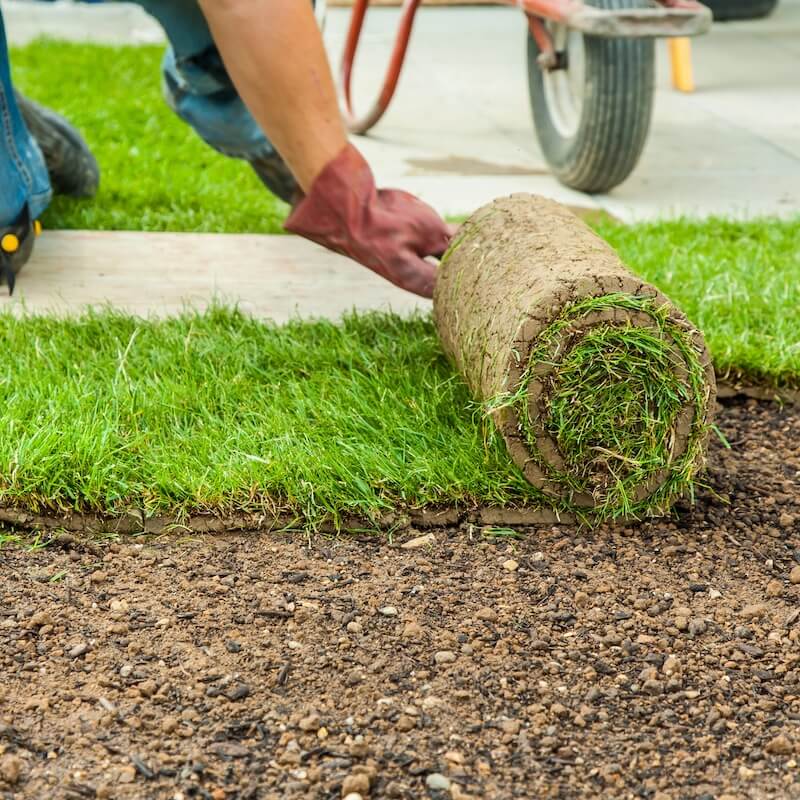
Laying the turf correctly makes all the difference. Start by spreading a thin layer of soil or high-quality topsoil across the prepared ground to help the turf roots establish a strong bond. Unroll your turf rolls along a straight edge such as a path or patio, staggering the joints like brickwork for strength.
Press each roll firmly into place and avoid walking directly on the turf—use a wooden board to spread your weight evenly. Trim any excess with a sharp knife or spade, and ensure each strip fits snugly against the next with no gaps. Once you lay your turf, water it thoroughly and keep it moist while it establishes.
At Cambridge Garden Care, we handle every stage from start to finish, ensuring a flawless, level finish that’s ready to enjoy.
Should I Use Turf or Seed a Lawn for a New Lawn?
Both turf and seeding have their advantages. Turf provides an instant lawn—perfect for those who want fast results and a ready-to-use surface. Seeding, on the other hand, is more cost-effective for larger areas but takes longer to establish.
If your garden needs a quick transformation, laying turf is an ideal solution. It provides immediate coverage, suppresses weeds, and delivers a strong green lawn in days. At Cambridge Garden Care, we can also help with lawn seed and seeding solutions if you prefer to sow your own grass. We’ll advise which option best suits your landscape and budget.
How Much Turf Do I Need for My Lawn Area?
To calculate how much turf you’ll need, measure the size of the area in square metres. Most turf suppliers sell rolls that cover about one square metre per roll, so multiply your total area by that figure. Always add 5–10% extra for trimming and shaping edges.
Before laying the turf, double-check that the ground is level, firm, and not compacted. At Cambridge Garden Care, we measure accurately, prepare the topsoil, and ensure your lawn area is perfectly ready for installation—so no roll is wasted and your finish is seamless.
How Do I Care for Turf After It’s Been Laid?
Once the turf has been laid, regular care is vital. Water it daily for the first few weeks to keep it damp but not waterlogged. The first few weeks are crucial for root establishment in the soil, so avoid allowing it to dry out.
Avoid walking or placing heavy objects on the turf until it has rooted. You can check this by gently lifting a corner—if it resists, roots are growing well. Once established, mow the grass lightly for the first time when it reaches a height of around 5 cm. Gradually reduce the cutting height to your preferred setting. With steady care, your healthy turf will quickly become a perfect lawn.
What If My Old Lawn is Uneven or Full of Weeds?
If your old lawn is patchy or full of weeds, it’s best to start fresh. Remove the existing grass with a spade or turf cutter, and apply weed control to stop regrowth. Then prepare the soil as described earlier, adding quality topsoil if needed.
Uneven lawns can be corrected during levelling the ground—rake and firm the soil until you achieve an even surface. At Cambridge Garden Care, we often recommend laying new turf rather than trying to repair heavily damaged lawns. It’s faster, cleaner, and delivers a smoother finish that’s easy to maintain.
What Makes Professional Turfing Services Worthwhile?
Hiring a professional for turfing services saves time and effort, resulting in long-term benefits. At Cambridge Garden Care, we bring the expertise, equipment, and experience to lay a new lawn that thrives. From soil preparation to the final roll of turf, our turfing team works precisely to guarantee a uniform finish.
We also source high-quality turf from trusted local suppliers, ensuring it remains fresh and healthy. Whether it’s a small garden or a large landscape project, we manage every detail, leaving you with an instant lawn that enhances your outdoor space.
How Can I Keep My Lawn Looking Healthy Throughout the Year?
Maintaining a healthy lawn requires regular attention and care. Water deeply during dry spells, but less often once established, to encourage deep root growth. Apply a balanced fertiliser in spring to boost new development, and aerate the soil each autumn to prevent compaction.
Keep the grass at an even height by mowing regularly, but never remove more than a third of its length at once. Routine lawn care, combined with seasonal checks for weeds or pests, will ensure your green lawn stays lush and healthy throughout the year.
At Cambridge Garden Care, we offer maintenance plans to keep your turf and garden in peak condition, saving you the hassle while ensuring lasting beauty.
What is the Cost of Laying Turf?
The cost of laying the turf varies depending on the size of the area, access, and the type of turf you choose. Standard natural turf is typically priced per square metre, including turf rolls and installation. For a larger lawn area or more complex landscaping, professional turfing services are a worthwhile investment.
We always provide clear, honest quotes with no hidden costs. Whether you want to transform your garden or simply refresh a tired patch of grass, Cambridge Garden Care delivers exceptional quality and attention to detail throughout the entire process.
Key Points to Remember
- Select the appropriate type of turf for your soil and gardening needs
- Prepare the soil thoroughly by clearing, levelling, and adding quality topsoil
- Lay turf in cool, moist conditions—spring or early autumn are ideal
- Use staggered joins and gently firm the turf for even coverage
- Water daily during the first few weeks after laying
- Avoid walking on your new lawn until the roots have established
- Start mowing once the grass reaches a height of 5 cm
- Apply fertiliser in spring and ensure good drainage
- Replace an old lawn with new turf if it’s weedy or uneven
- Professional turfing services ensure a smooth, durable result
Creating or refreshing your lawn with quality turf is one of the easiest ways to upgrade your garden. With proper soil preparation, regular watering, and professional guidance, you can enjoy a lush, green lawn that enhances your outdoor space for years to come. Whether you’re starting from scratch or restoring an old lawn, Cambridge Garden Care is here to help you every step of the way—from start to finish.
Frequently Asked Questions
Q: How long does new turf take to establish?
A: Freshly laid turf usually takes around three to four weeks to establish, depending on the soil type, weather, and care. During the first few weeks, it’s vital to water the turf daily to keep the soil consistently moist but not waterlogged. Avoid walking on it until it has rooted firmly into the ground. You can check this by gently lifting a corner—if there’s resistance, the roots have taken hold. Once the turf has been laid and established, light mowing will help strengthen your healthy lawn and encourage turf growth.
Q: When is the best time to lay turf for a new lawn?
A: The best time to lay turf is in spring or early autumn, when temperatures are mild and the soil retains enough moisture to support new roots. Ideally, aim for days between 8°C and 18°C (46°F to 65°F). Avoid extreme heat or frost, as both can stress the turf. These conditions ensure your new lawn gets off to a strong start, with healthy, deep-rooted grass that stays green and robust throughout the growing season.
Q: Should I use turf or grass seed for creating a new lawn?
A: Both methods can produce a green lawn, but it depends on your needs. Turf offers an instant lawn, giving immediate results and suppressing weeds. Seeding, on the other hand, is more affordable and ideal for large lawn areas but requires patience as it takes time to germinate. At Cambridge Garden Care, we assess your garden, soil type, and intended use to recommend the best approach—whether that’s laying the turf or helping you sow grass seed for a beautiful, lasting finish.
Q: How do I prepare the soil before turf laying?
A: Proper soil preparation is key to successful turf laying. Begin by clearing any weeds, debris, or existing grass using a spade. Then dig or rotovate the soil to a depth of around 15 cm to improve aeration and drainage. Remove stones and create an even surface through levelling the ground. Adding quality topsoil or compost helps build a strong foundation for your quality turf. This process ensures your new turf roots well and produces a long-lasting, healthy lawn.
Q: How often should I water my new turf?
A: During the first few weeks, water your turf daily to keep it moist and encourage strong root development. Early morning is best to reduce evaporation. After the turf has been laid for two to three weeks, reduce watering to every few days, depending on the amount of rainfall. Once the grass is established, you can water more deeply but less often to help the roots grow deeper into the soil. Consistent moisture is crucial for maintaining healthy turf and achieving lasting results.
Q: How soon after turfing can I mow my lawn?
A: You can mow your new lawn about three weeks after turfing a lawn, once the turf has rooted into the soil. Ensure your mower blades are sharp and set at a high position for the first cut—approximately 5 cm. Cutting too short, too soon, can stress the young grass. Gradually lower the height over several weeks to achieve your preferred finish. Regular mowing strengthens turf growth and encourages a denser, greener lawn that looks professional and well-maintained.
Q: Do I need to feed my new lawn?
A: Yes, feeding your lawn helps establish strong roots and maintain a rich, green lawn. After about six weeks, apply a balanced fertiliser formulated for new lawns to support turf growth. Feeding your lawn in spring and autumn helps keep it healthy and vibrant throughout the year. At Cambridge Garden Care, we can recommend the proper feed and schedule tailored to your soil type and grass species, ensuring long-term success for your ideal lawn.
Q: What happens if I lay turf on poor-quality soil?
A: Poor soil can lead to uneven turf growth, weak roots, and patchy grass. To avoid this, always add quality topsoil or enrich the ground with compost before laying. The layer of soil should be at least 10–15 cm deep to support healthy turf. We assess and improve your soil type before every installation, ensuring a strong foundation. Investing time in this step helps transform your garden into a smooth, long-lasting lawn.
Q: Where can I purchase quality turf?
A: You can find quality turf at reputable garden centres and online suppliers. When choosing, look for natural turf that’s freshly cut and free from weeds or damage. At Cambridge Garden Care, we source only good-quality turf rolls from trusted local growers. If you prefer, we can supply and lay your turf for a flawless, professional finish—handling everything from soil preparation to lawn care after installation.
Q: Why should I hire a professional for turfing services?
A: Professional turfing services ensure every step—from clearing and levelling the ground to laying the turf—is done to the highest standard. Our experience guarantees that your new lawn will establish a strong root system and flourish into a healthy, thriving turf. At Cambridge Garden Care, we provide comprehensive support, from selecting the correct type of turf to maintaining your lawn after installation. By trusting experts, you save time, avoid mistakes, and enjoy a perfect lawn that instantly transforms your garden.