
The Ultimate Guide to Fence Installation at Home
How to Install a Garden Fence - A Step-by-Step Guide
A garden fence can transform any outdoor space. It defines boundaries, adds security, and enhances the overall look of your garden. Choosing the right fencing materials and style can boost your property’s value while creating privacy and structure. Whether you need a sturdy fence panel, a simple picket design, or a stylish closeboard option, the right choice will keep your garden looking tidy and well-maintained. Installing a fence doesn’t have to feel daunting — with the proper guidance and planning, anyone can put up a fence with confidence.
What makes a good fence for your garden?
The ideal garden fence strikes a balance between strength, durability, and aesthetic appeal. For many homeowners, timber remains a classic choice thanks to its natural appearance. A wooden fence can blend beautifully into the landscape and offers versatility with different types of fences, such as feather edge or lap panel.
When selecting a new fence, ensure the design complements your property. Some people prefer a traditional picket-style fence for their front gardens, while others opt for taller fence panels for added privacy. Trellis fencing can add extra height while supporting climbing plants, making it both functional and decorative.
Your chosen fence should match your garden needs. If security is a priority, closeboard fencing with overlapping vertical boards creates a robust barrier. For decorative charm, picket fencing or trellis fencing can add character while still defining boundaries.
How important is a strong fence post?
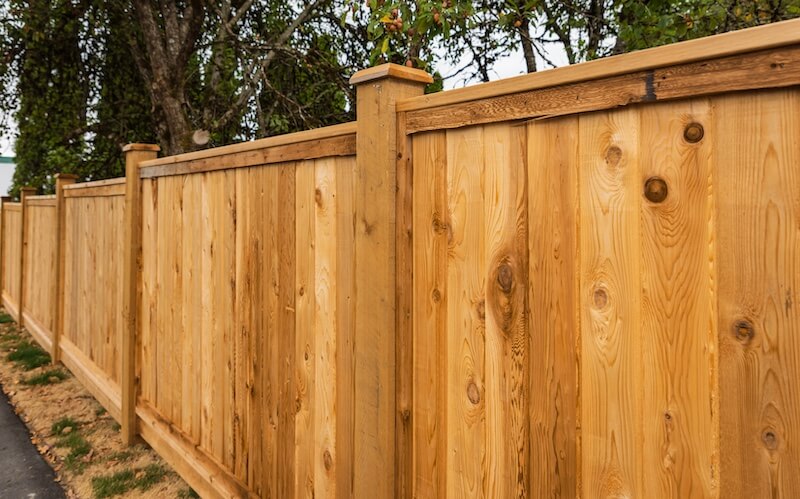
Every solid fence begins with a reliable fence post. Posts support each fence panel and keep the structure upright through all weather conditions. Using postcrete or concrete posts ensures long-term stability, although timber posts remain a popular option due to their natural appearance.
The spacing of the fence posts should be precise. Typically, the length of your fence panels determines the distance between them. You need to dig holes deep enough to secure each post firmly, usually around one-third of the post’s total height. A spirit level is essential to ensure accuracy. Without it, your posts may lean, and the entire fence could weaken.
Using postcrete speeds up installation. Once posts are in place, they set quickly, helping you move on to attaching fence panels efficiently. If you want a wooden fence, timber posts can be treated to resist rot and weathering, but concrete posts remain the strongest option for longevity.
Do I need gravel boards for my fence?
A gravel board sits at the bottom of your garden fence, protecting panels from ground contact. It prevents moisture damage, prolonging the life of your fence panels. Gravel boards also make the wall look more polished, adding a neat baseline.
Timber gravel boards offer a natural look but may require more maintenance over time. Concrete gravel boards are stronger and protect panels more effectively from soil contact. Both options provide a valuable layer between the fence and the ground.
Installing gravel boards is highly recommended. They not only extend the life of your chosen fence but also keep your garden fence panels looking smart. Gravel boards also prevent weeds and moss from creeping directly into the panels, helping your garden stay tidy.
What are the most popular types of fence panels?
Different fence types suit different garden needs. Lap panel fences are affordable and easy to install, making them one of the most common options. For a stronger, more stylish finish, closeboard fencing uses featheredge boards for durability.
Picket fencing works well in front gardens, offering charm without blocking views. Trellis fencing is another option, adding height and supporting plants while keeping boundaries visible. For extra strength, consider palisade fencing or metal fence options for added security.
When selecting your garden fence panels, consider the level of privacy and security you require. For example, overlapping vertical boards in closeboard fencing offer complete coverage. By contrast, trellis fencing allows light to pass through and supports decorative plantings.
Do I need planning permission for a new fence?
In most cases, you do not need planning permission to put up a fence. However, there are some important rules to follow. A wall facing a public road should not exceed one metre in height, while in gardens, the usual limit is two metres.
It is always wise to check with your local council before starting. Some areas have restrictions on the height of your fence or the type of fence panels allowed. You also need to ensure your fence is on your property boundary.
Talking to your neighbour before you install fence panels can prevent disputes. A well-chosen fence enhances both gardens, so communication helps keep things friendly. If in doubt, always check the rules before you start fence installation.
What costs are involved in fence installation?
The cost to install a new fence depends on the materials, the size of your lawn, and the type of fence panels you choose. Timber fences are generally less expensive than metal fence options, although they may require more maintenance over time.
Factors that affect the cost include the length of your fence, the number of fence posts required, and whether you need gravel boards. Labour charges vary, so using a cost calculator or asking professional gardeners for a quote gives a clearer idea.
At Cambridge Garden Care, we offer a complete fence installation service with transparent pricing. Whether you want a one-off DIY project supported or a full installation completed by our team, we can provide a solution.
What fencing materials should I consider?
Fencing materials range from timber to metal, each offering different benefits. A timber fence blends with the natural garden landscape and is easy to work with. Wooden posts also maintain the traditional design.
Metal fence options are more durable but can be costly. Concrete posts combined with timber panels offer strength and style. Trellis fencing adds decorative charm, while picket fencing provides character for smaller spaces.
When selecting fencing materials, consider the level of maintenance required. Timber may need treatment, while concrete posts and gravel boards require less maintenance. The fencing materials you choose will determine the level of maintenance your garden fence requires.
How do I install fence panels securely?
Once your posts are in place, attaching panels is a straightforward process. Use a spirit level to ensure accuracy and line everything up evenly. Panels and posts should be firmly fixed to withstand weather conditions.
If you plan to install fence panels yourself, ensure the panels sit just above the gravel board. This prevents moisture from seeping into the timber. Secure each fence panel to the posts using strong fixings.
For a DIY project, take your time and measure carefully. A step-by-step guide helps you avoid mistakes. If you prefer professional support, our team at Cambridge Garden Care can handle everything from digging holes to final fixings.
What style of fence should I choose?
Your chosen fence should match your property’s character and your garden fence needs. For privacy, closeboard fencing is ideal, with overlapping vertical boards providing strength and full coverage.
For smaller gardens or front gardens, picket fencing or trellis fencing can enhance the aesthetic appeal without feeling too imposing. Feather-edge and feather-edge designs offer a durable and stylish option, especially when paired with gravel boards.
Different fence types suit various purposes. Whether you want security, style, or a balance of both, you need to ensure your chosen fence fits your lifestyle. Always consider the ongoing maintenance requirements of each option over time.
Can I install a fence myself, or should I hire professionals?
Many homeowners treat fence installation as a DIY project. With the right tools, materials, and patience, you can put up a fence yourself. A step-by-step guide helps make the process easier, especially if you have experience in garden maintenance.
However, fence installation can be physically demanding. You need to dig holes, use a spirit level to ensure posts are aligned, and secure everything firmly. For a larger fence, hiring professional gardeners may save time and prevent mistakes.
At Cambridge Garden Care, we offer both advice and comprehensive installation services. Whether you prefer to install a garden fence yourself or would like us to handle everything, we ensure your lawn looks smart and your boundaries are secure.
Key Points to Remember
- A strong fence post is essential for stability
- Gravel boards protect fence panels and add neatness
- Different fence types suit different garden needs
- Planning permission is sometimes required, so check with your local council
- Costs vary depending on fencing materials and the length of your fence
- Wooden posts give a natural look, while concrete posts add durability
- Trellis fencing and picket fencing provide decorative options
- A step-by-step approach ensures accuracy and longevity
- Professional gardeners can make the process easier if required
A strong, well-designed garden fence makes all the difference. From the depth of the right fence post to using gravel boards for protection, every detail matters. At Cambridge Garden Care, we are here to guide you step-by-step or carry out the full installation for you. If you are ready to put up a fence, contact us today for expert advice and reliable service.
Frequently Asked Questions
Q: How deep should a fence post be set?
A: A fence post needs to be secure to keep your fence upright and strong. As a general rule, posts should be buried at least one-third of their length. For example, a 2.4-metre timber post should sit 80cm below ground. You will need to dig holes that are wide enough to accommodate concrete or postcrete for stability. Using postcrete makes fence installation faster and reliable. At Cambridge Garden Care, we always use a spirit level to ensure posts are straight before panels are fitted. Correctly set fence posts keep your garden fence standing firm in all weather conditions.
Q: Do I need a gravel board?
A: A gravel board is highly recommended when fitting a new fence. It sits between the ground and your fence panel, protecting timber from damp and soil contact. This prevents rotting and extends the lifespan of your garden fence. Gravel boards also improve the aesthetic appeal of your boundary, giving a neat finish. You can choose concrete gravel boards for durability or timber boards for a natural look. We advise every customer to install gravel boards, as they minimise maintenance and reduce damage from weeds and moss creeping into the base of your panels.
Q: What types of fence panels are available?
A: There are several different fence types to suit your garden. Lap panel fences are a cost-effective and widely used option. Closeboard fencing, with overlapping vertical boards, provides strength and privacy. Feather-edge panels offer durability and a classic look. Trellis fencing works well above a panel fence to add height without blocking light. For front gardens, picket fencing gives character while defining boundaries. At Cambridge Garden Care, we supply and install garden fence panels to match your style, whether you’re looking for practical security or a decorative feature. Choosing the correct type of fence ensures both function and visual appeal.
Q: Do I need planning permission to install a fence?
A: Most garden fences can be installed without planning permission. However, there are limits you need to check. In front gardens, a fence next to a public highway cannot exceed one metre in height. For rear gardens, fences usually must not exceed two metres. If you live in a conservation area, the rules may differ. We recommend contacting your local council to confirm the requirements before installing a fence. It is also courteous to speak with your neighbour before you put up a wall, especially if it borders their property. Clear communication prevents disputes and ensures smooth installation.
Q: How much does it cost to install a garden fence?
A: The cost to install fence panels depends on the length of your fence, the chosen fence materials, and the condition of your garden. Timber posts are generally less expensive than concrete posts, but they may require more frequent maintenance. Additional features, such as gravel boards or trellis panels, can affect the overall price. A cost calculator provides a helpful estimate, but for greater accuracy, we offer a complimentary site visit and quotation. At Cambridge Garden Care, we pride ourselves on providing transparent pricing and professional gardeners to carry out your fence installation to a high standard.
Q: Where can I buy garden fence panels and posts?
A: Fence panels and posts are widely available. You can purchase fencing materials at most garden centres and DIY stores, where you will find options in timber, concrete, and metal. Online retailers also stock a wide selection, including different fence types such as lap panel, closeboard, and picket fencing. However, not all products are equal in quality. At Cambridge Garden Care, we only use tried-and-tested garden fence panels and posts that meet our professional standards. By working with us, you can be assured that the fencing materials used will last and keep your garden fence looking its best.