
Grass Cutting and Lawn Mowing - Keep Your Lawn Looking Perfect
Cambridge Garden Care’s Guide to Grass Cutting
Maintaining a beautiful lawn starts with consistent grass cutting and careful lawn mowing. At Cambridge Garden Care, we know that a well-kept lawn transforms your garden, making it a welcoming space for family and friends. Cutting your grass regularly improves its health, prevents weeds, and ensures your lawn stays lush and green throughout the growing season. Whether you have a small lawn or an expansive garden, knowing how to mow effectively makes all the difference. Our team provides professional advice and practical solutions to keep your grass in top condition.
Why Regular Lawn Mowing Matters
Regular lawn mowing keeps your grass healthy and encourages stronger growth. Cutting grass frequently prevents it from becoming too long and patchy. Overgrown grass can shade lower blades, making your lawn uneven and weaker. When you mow consistently, the grass receives more sunlight and nutrients, improving its colour and density. A well-maintained lawn also minimises weeds and moss, helping you enjoy a tidy garden all year round.
How Often Should You Cut Your Grass?
The frequency of grass cutting depends on the season and weather conditions. During the growing season, cutting once a week may be necessary, while slower growth periods require less frequent mowing. For example, in spring and early summer, your grass may grow rapidly in temperatures between 15–25°C (59–77°F), requiring more attention. Adjust mowing height to avoid cutting too short and weakening the grass. Using a lawn mower with sharp mower blades ensures a clean cut every time.
Choosing the Right Lawn Mower
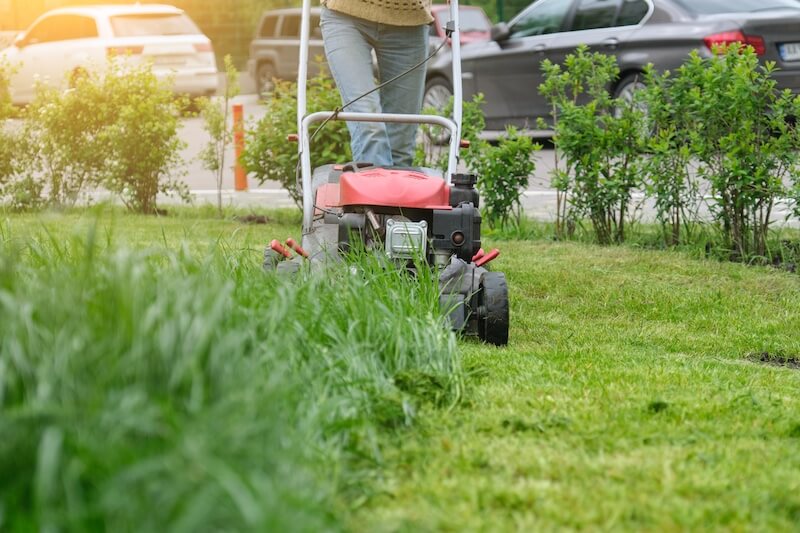
Selecting the right mower is essential for effective lawn mowing. Petrol mowers offer powerful cutting for larger lawns, while electric mowers are well-suited for small lawns and environmentally conscious gardeners. Consider mower blades and mowing height settings to match your grass type. Regular blade maintenance prevents clogging and keeps your lawn looking well-trimmed. For those who prefer minimal effort, a lawn cutting service can provide expert mowing at regular intervals, allowing you to enjoy a well-maintained lawn without the need for manual labour.
Mowing Techniques: How to Mow the Lawn Correctly
Correct mowing technique is crucial to maintaining healthy grass. Avoid removing more than one-third of the grass at a time, as excessive cutting can stress the lawn. For striped or patterned effects, mow in alternating directions. Keep an eye on clumps and wet grass, as these can clog the mower. Regular trimming of the edges around flower beds and paths enhances the overall neat appearance. Mulching clippings can naturally feed your lawn, reducing the need for extra fertiliser.
Lawn Mowing Service: When to Call Professionals
A grass cutting service can be invaluable if you lack time or equipment. Professional gardeners can efficiently maintain your lawn, handle strimming, and effectively manage weeds and moss. One-off grass cutting services are also helpful for seasonal clean-ups or after long periods of growth. Hiring experts ensures your lawn receives the correct mowing height, blade care, and regular maintenance to remain healthy and vibrant.
Tackling Weeds and Moss
Even with regular grass cutting, weeds and moss can appear. Removing them promptly helps keep your lawn dense and resilient. A lawn mower can help by trimming weeds before they spread, but for stubborn patches, manual removal or treatment may be necessary. Maintaining proper mowing height and avoiding compacted soil reduces conditions that encourage weed growth. Regular attention keeps your lawn looking well-maintained and prevents overgrowth in neglected areas.
Edge and Trim: Finishing Touches for Your Lawn
Edge trimming enhances the appearance of your lawn, providing crisp boundaries between grass and flower beds. A strimmer or manual edging tool can achieve clean lines. Regular lawn mowing paired with precise edging gives your garden a polished look. Remember to adjust mower blades and strimmer height to prevent damage to grass and surrounding plants. Well-defined edges make a garden tidy and improve the overall visual appeal.
Seasonal Considerations for Grass Cutting
Weather conditions greatly affect mowing schedules. Avoid mowing wet grass, which can clog blades and compact the soil, weakening the lawn. In colder months, grass growth slows, reducing the need for frequent mowing. During warmer temperatures, grass grows faster and may require weekly cuts. Understanding seasonal growth patterns helps maintain a consistent lawn mowing routine, keeping grass healthy and your garden attractive.
Frequently Asked Questions About Grass Cutting
How high should I set my mowing height?
Aim to remove no more than one-third of the grass height at a time. This prevents stress and encourages healthy growth.
Can I mulch my grass clippings?
Yes. Mulching returns nutrients to the soil, minimises waste, and supports a denser lawn.
When is the best time to mow?
Mow when the grass is dry, usually late morning or early afternoon, to prevent clogging and damage.
Should I use a professional lawn mowing service?
If you have a larger garden or limited time, hiring experts ensures consistent cutting, proper blade care, and a well-maintained lawn.
One-Off vs Regular Grass Cutting Services
Sometimes, a one-time grass cutting service is ideal, particularly after prolonged periods of growth or before special events. Regular lawn mowing ensures consistent care, preventing the grass from becoming overgrown and unhealthy. Professional gardeners can assess grass growth and adjust mowing height, blades, and technique according to the specific needs of each season. Investing in regular grass cutting helps your lawn thrive and keeps your garden tidy year-round.
Tips to Keep Your Grass Healthy Between Mowing
Maintain your lawn by watering during dry periods, aerating to prevent compacted soil, and feeding it as needed. Regular trimming of edges and removing debris ensures uniform growth. Avoid walking on newly cut grass to prevent rutting and clumping. Keeping an eye on weeds and moss minimises issues before they become significant problems. Proper care between mowing sessions maximises the benefits of regular lawn maintenance.
Grass Cutting Tools and Accessories
A reliable lawn mower, sharp mower blades, a strimmer for edges, and a compost bin for clippings form the essentials for grass cutting—mulch collected clippings to feed the soil. Petrol mowers are ideal for larger lawns, while electric mowers are better suited for smaller spaces. Maintaining your equipment and understanding how to use it effectively ensures that each mow leaves your grass looking neat and healthy.
Key Points to Remember
- Regular lawn mowing promotes healthy grass and prevents weeds and moss
- Avoid cutting more than one-third of the grass at a time
- Choose the right mower and maintain mower blades for clean cuts
- Edge trimming and strimming improve the garden’s appearance
- Consider professional grass cutting services for larger lawns or time-saving
- Adjust mowing frequency according to temperature, growth, and weather conditions
- Mulching and proper care between mowing sessions support stronger, denser grass
- One-off services are ideal for seasonal or long-overgrown lawn management
- Keep your garden tidy and well-maintained to maximise enjoyment and aesthetics
- Understanding seasonal growth helps maintain a vibrant, lush lawn throughout the year
Maintaining a beautiful lawn is achievable with the right approach, tools, and care. Regular grass cutting, correct mowing height, and occasional professional help keep your garden tidy and vibrant. Invest in your lawn today, and enjoy a healthy, dense, and well-maintained space all year round.
Frequently Asked Questions
Q: How often should I mow my lawn?
A: Regular lawn mowing is essential to keep your grass healthy and looking neat. During the growing season, it’s best to mow once a week, adjusting frequency according to grass growth and weather conditions. Avoid cutting more than one-third of the grass at a time, as this can stress the lawn. Regular grass cutting encourages denser growth, prevents weeds and moss, and improves the overall appearance of your garden. Smaller lawns may require less frequent mowing, while larger lawns or areas with long grass may need more attention or even a professional grass cutting service.
Q: What is the best mowing height for a healthy lawn?
A: Maintaining an appropriate mowing height helps your grass stay strong and resilient. Set your mower blades so you remove no more than one-third of the grass in a single cut. Short cuts weaken the lawn and can promote weeds. Taller grass shades the soil, helping retain moisture and encouraging denser growth. Adjust the mowing height according to the type of grass, the season, and prevailing weather conditions. Regular lawn mowing combined with correct blade settings ensures your garden stays well-maintained and visually appealing, while also minimising stress on the grass during hotter or colder temperatures.
Q: Can I mulch or compost my grass clippings?
A: Yes, mulching or composting grass clippings is highly beneficial for lawn care. Mulch returns nutrients to the soil, helping to naturally feed your grass and reduce the need for additional fertiliser. Composting also enriches your garden soil and supports overall plant health. Avoid leaving clumps of wet grass, as this can clog your mower and create uneven patches on your lawn. Regular grass cutting with mulching improves lawn density, helps control weeds and moss, and keeps your garden tidy. Using this method in conjunction with professional lawn mowing services ensures your lawn remains healthy and lush throughout the growing season.
Q: How can I prevent weeds and moss in my lawn?
A: Regular grass cutting is a key preventative measure against weeds and moss. Maintaining a proper mowing height and avoiding compacted soil helps your lawn stay dense, making it more difficult for weeds to establish. Remove clumps manually if necessary and consider a one-off grass cutting service for overgrown areas. Feeding your grass supports strong growth, while trimming edges and keeping the lawn tidy reduces opportunities for moss. Professional gardeners can also provide advice on minimising pest or weed issues, ensuring your garden stays well-maintained and your local lawn remains healthy and visually appealing.
Q: What type of mower should I use?
A: The type of mower depends on your lawn size and personal preference. Petrol mowers are ideal for larger lawns due to their power, while electric mowers are better suited for smaller lawns and are more environmentally friendly. Ensure mower blades are sharp to provide a clean cut and prevent tearing grass. Regular blade maintenance helps prevent clogging and keeps the grass looking healthy and vibrant. Strimming and edge trimming complement your mowing routine, giving a neat finish. Using the correct equipment enhances your regular lawn mowing efforts, helping you maintain a well-maintained lawn while minimising damage to the grass during mowing.
Q: When should I call a grass cutting service?
A: Hiring a grass cutting service can save time and ensure consistent lawn maintenance. Professional gardeners can mow your lawn efficiently, handle strimming, and manage longer or overgrown grass. One-off grass cutting services are ideal after extended growth or before special events. Regular lawn mowing services keep your grass at optimal height, prevent weeds and moss, and maintain a tidy garden. Choosing professionals ensures mower blades and cutting techniques are correct, giving your lawn a well-maintained appearance. Even small lawns benefit from occasional professional intervention, particularly during busy periods or the peak growing season.
Q: How do I keep my lawn looking well-maintained between cuts?
A: Maintaining your lawn between cuts is essential for its health. Water during dry spells, feed the grass as needed, and remove debris to prevent clumps. Avoid walking on newly cut grass to prevent rutting. Aerate compacted soil occasionally to promote healthy root growth. Edge trimming and regular strimming keep boundaries tidy and visually appealing. Observing your local lawn’s growth and adjusting mowing height and frequency helps minimise weeds and moss. Professional advice or one-off lawn mowing services can support ongoing care, ensuring your grass stays dense, vibrant, and attractive throughout the year.